About the Church
An ancient building, cared for and steadily improved by the people who love it.
Welcome to St. Peter & St. Paul, Tetney
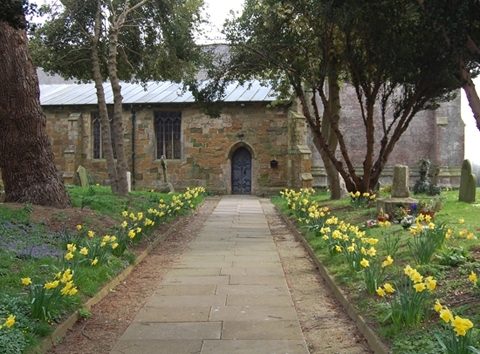
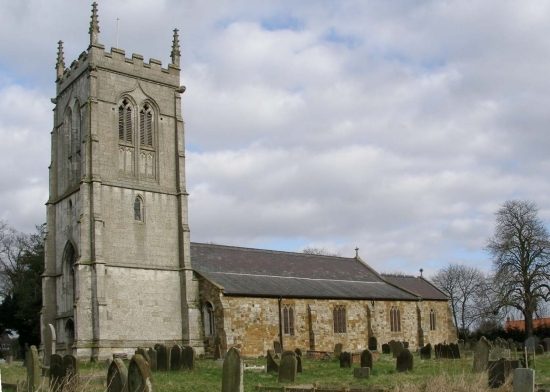
Considerable parts of the present building date from the 11th, 12th and 13th centuries. There's an inscription on the arches of the nave stating, in Latin, that the work was completed in 1363 – though that only refers to the completion of the arches, as the North and South walls of the nave date back to Norman times, with even small traces of Saxon stonework surviving.
Many changes were made to the church in the 15th century, particularly the addition of the grand tower, and by the Victorians who built the current chancel. In more recent years the decision was made to sell the Church Room, which now forms two houses to the south of the church — a step that let us concentrate resources on caring for the beautiful and ancient building itself, and on installing the modern amenities that visitors and worshippers now expect.
Our recent improvements
We're in the process of completing a programme of work to make the church more comfortable, more accessible, and more useful to the whole village — while looking after a building that's stood here for the best part of a millennium.
Access & comfort
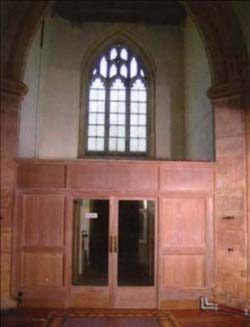
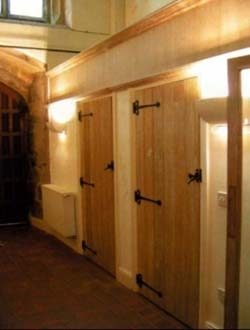
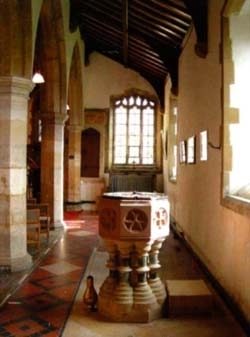
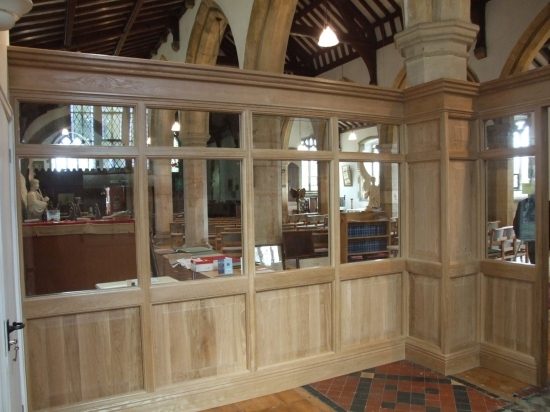
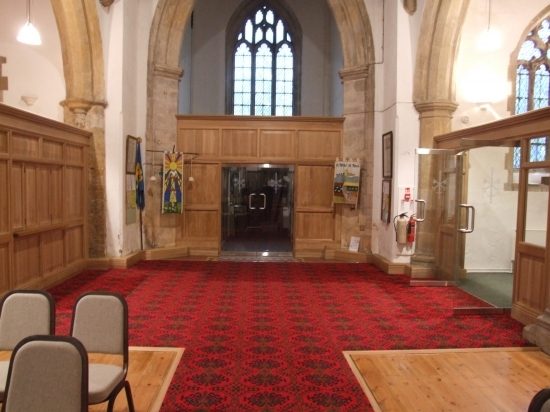
A screen has been built across the base of the tower, allowing us to install toilets and a storage area there. Access has been improved with a ramp to the North door entrance, and the Victorian font has been moved to a new position in front of a central window in the South aisle.
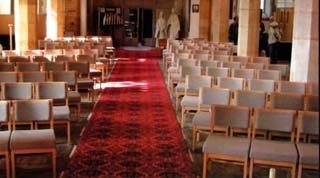
The old – and hard! – Victorian pine pews have been replaced with new free-standing upholstered chairs, which are more comfortable and can be moved to free up the spacious nave for events.
Heating & kitchen
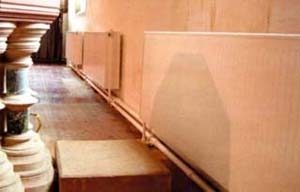
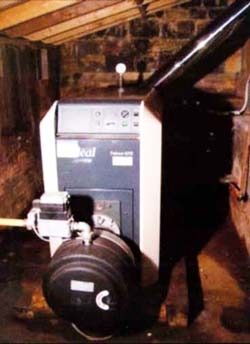
To make the church even more welcoming, the inefficient oil-fired central heating boiler has been replaced with a new gas-fired system, the old cast iron heating pipes removed, and the radiators replaced with a modern, efficient setup.
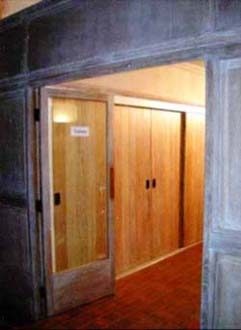
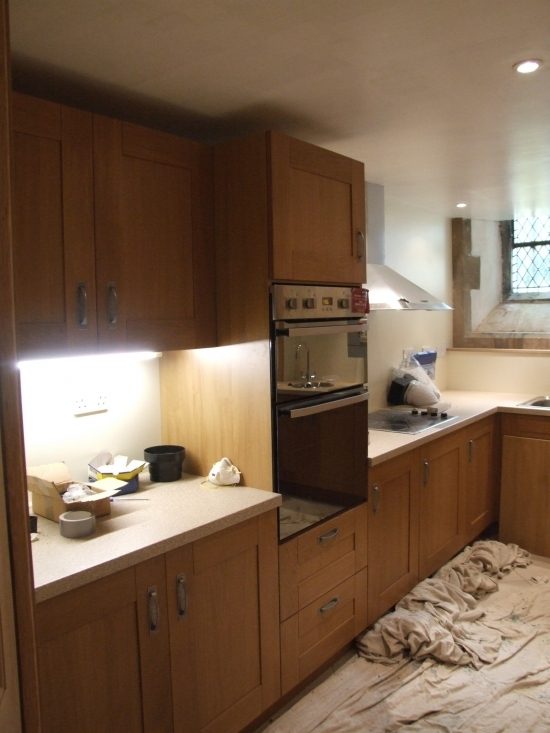
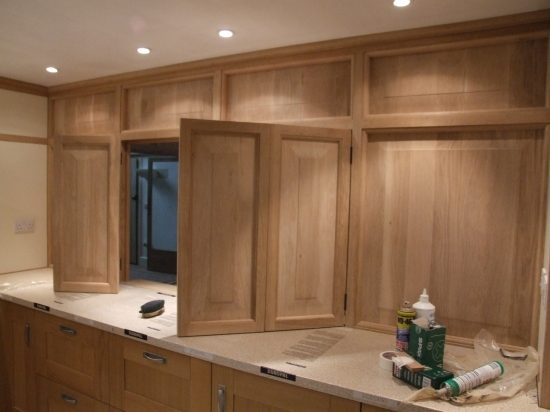
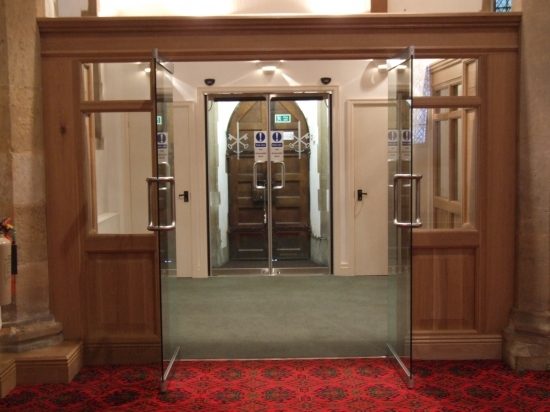
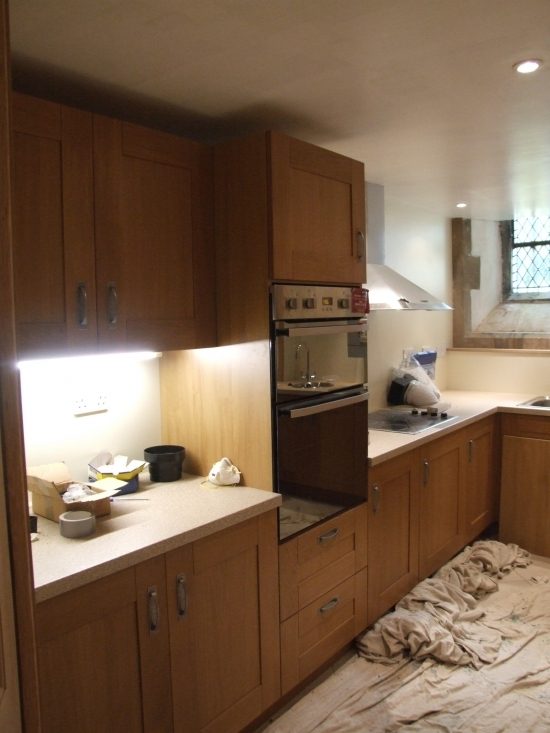
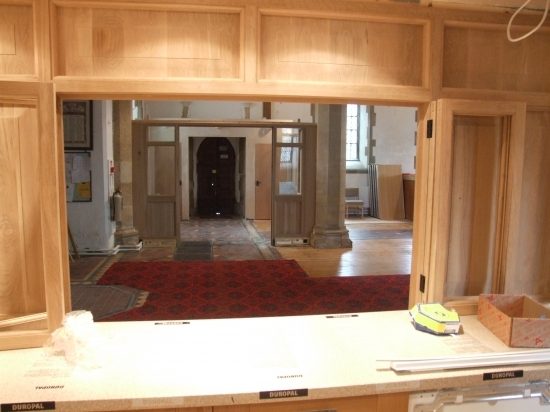
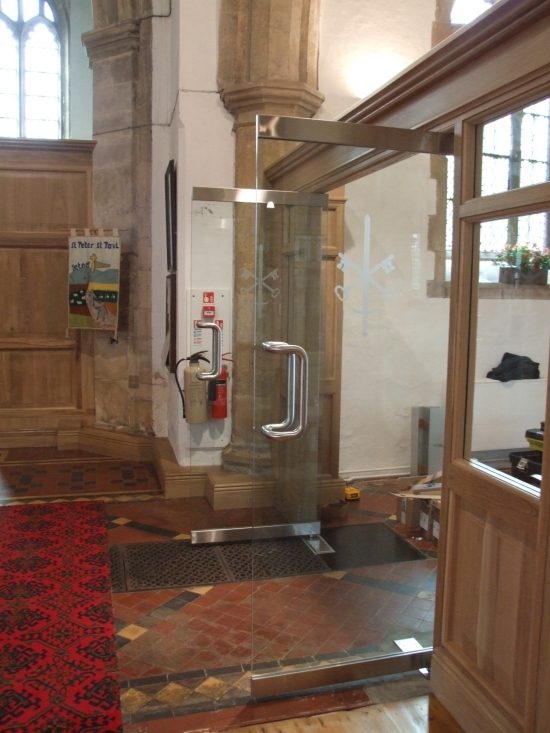
At the back of the South aisle we've added a kitchen, letting us serve refreshments after Sunday services and at social events, plus new interior doors leading to a welcome area at the back of the North aisle, giving visual access into the church even when it can't be fully open.
The kitchen & welcome area
After a long and, at times, frustrating process, we gained permission to build a new kitchen and welcome area in the back corners of the nave. The PCC devoted a great deal of time to developing the project, and our thanks go to them for their patience and perseverance in seeing it through.
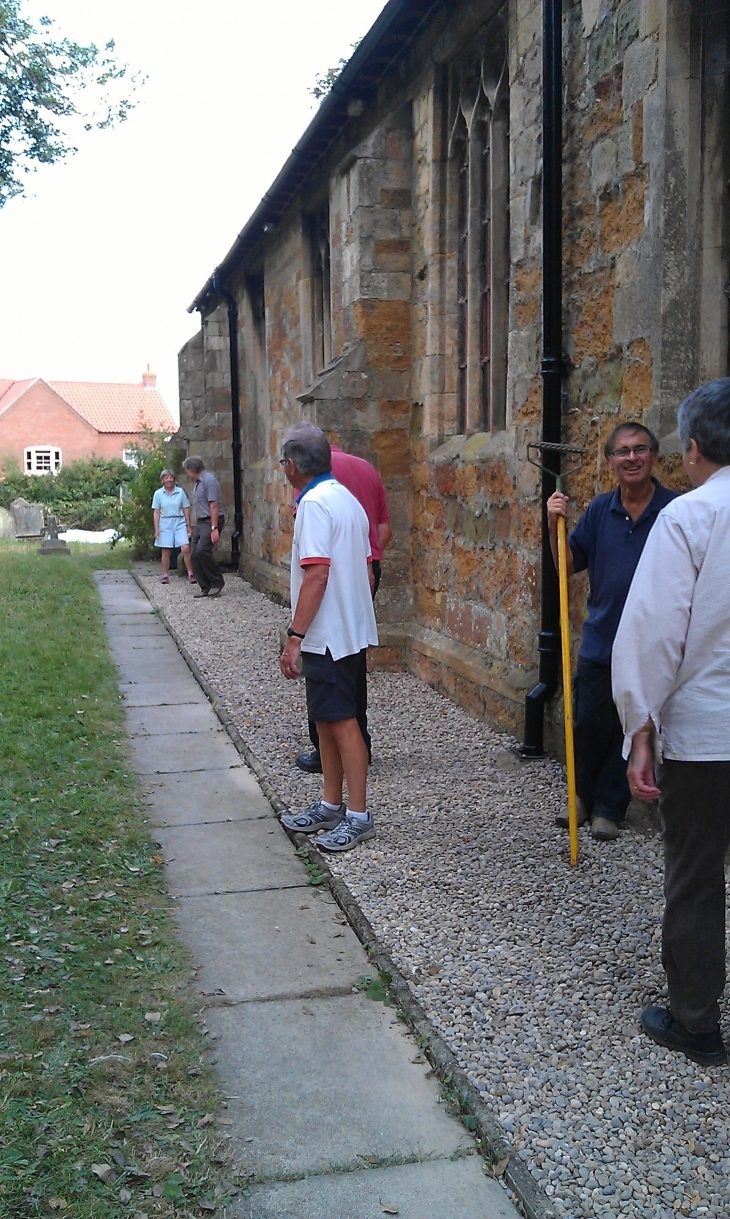
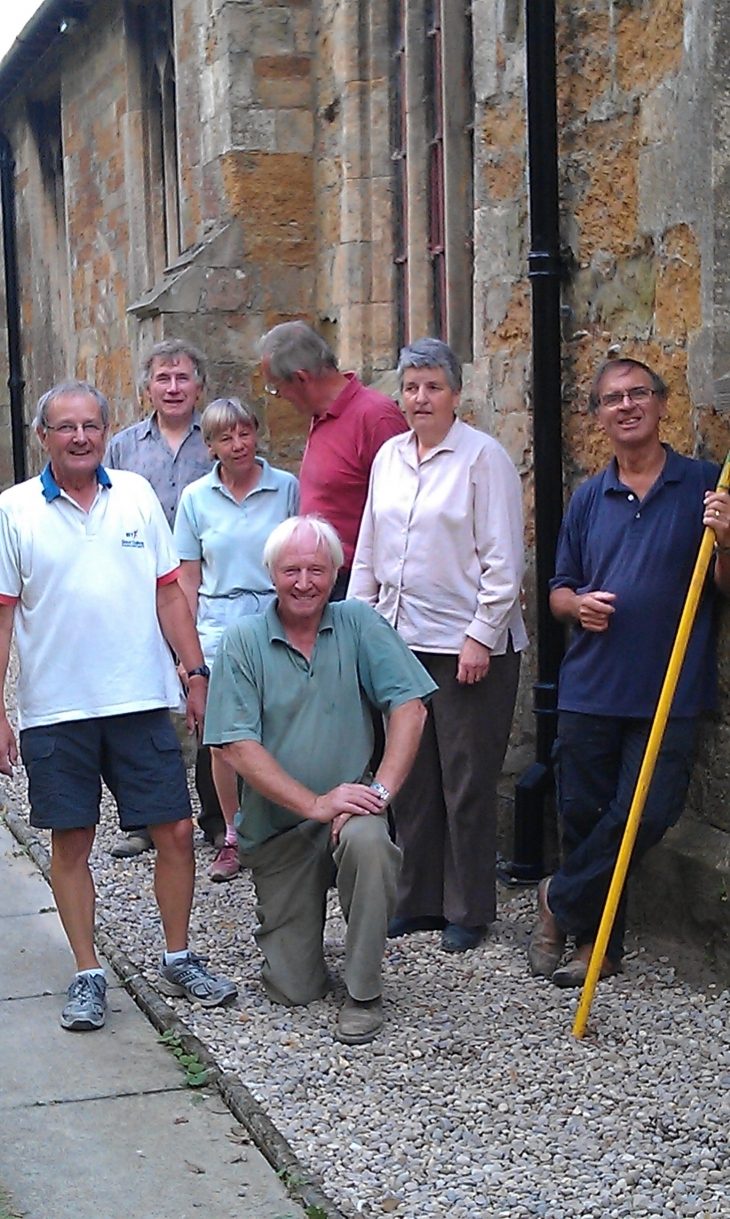
The new works were dedicated by the Archdeacon, The Ven Jane Sinclair, at a special service at Harvest 2011. Once the internal work was finished, a team from the church laid new gravel around the outside.
Visiting Tetney
The first-time visitor to Tetney church is frequently surprised by the size of the building for such a small village. Although Tetney is now some two miles from the sea, it was once a thriving market town and port for the export of salt from the local salt workings (by 1620 there were none left), and later a centre of the wool trade. There has been a settlement here from as early as 805BC.
Christians were living in this area as early as 740AD, and it's thought the Saxons of Tetney may have been converted to Christianity in the 8th century. The first church on today's site was well established before the Danish invasions of 870AD — in 900AD the invading Vikings destroyed the church and slaughtered the inhabitants. The Domesday Book reveals Tetney was divided into two wealthy manors controlled by a Saxon named Ivo Tallboys; his wife Lady Lucia, granddaughter of Lady Godiva, was responsible for a small church on the site of today's Lady Chapel around 1080–90.
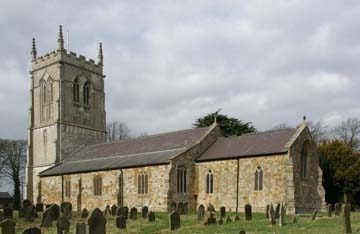
The 1363 inscription on the nave arches isn't the earliest in the church — two other inscriptions nearby commemorate two couples and are the subject of frequent scholarly visits. The tower, known locally as the “Queen of the Marshes”, is higher than any other in the area and was once a landmark for ships when Tetney was a port. It's built of Lincolnshire oolitic limestone, which is quite unique to the building.
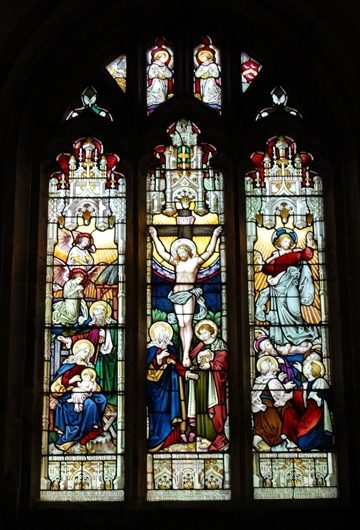
The Most Revd William Proctor-Swaby, Bishop of Barbados and the Windward Islands and later the first Archbishop of the West Indies, was born and brought up in Tetney and preached here on frequent visits home — his gifts to the church are three stained glass windows and the brass lectern.
Why people visit
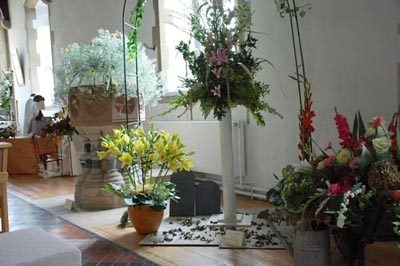
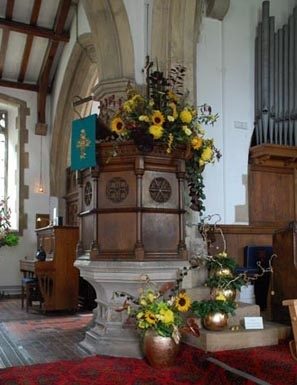
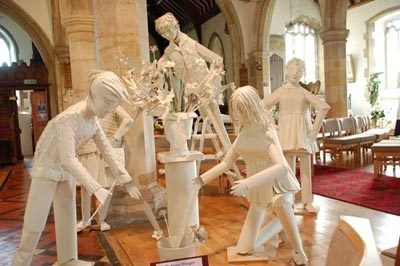
We hold events throughout the year, including wine and cheese evenings, concerts, a flower festival with paper sculptures, illustrated talks and coffee mornings, plus an annual Parish Supper for up to 100 guests as a thank-you to everyone who supports our village church.
Regular services and a long, layered history make Tetney well worth a visit for anyone with an interest in Lincolnshire's parish churches — or simply a family connection to the village.
Nearby attractions
- Tetney Blow Wells – natural lakes where water filters through Wolds limestone, once farmed for watercress, now a site of special scientific interest, with an RSPB reserve on Tetney Marshes
- Tetney is the site of the first radio transmission by Marconi to Australia
- Cleethorpes – seaside resort with Pleasure Island, a working steam railway and a pier
- Grimsby – National Fishing Heritage Centre, the Fish Docks and Marina
- Louth – a market town whose church of St. James has the second-highest spire in the country, after Salisbury
- Lincolnshire Wolds – an Area of Outstanding Natural Beauty, home to Alfred Tennyson